Showing posts with label physical activity. Show all posts

Amazing health benefits of beetroot

We have all seen our mothers and grandmothers talk about the all important root – beetroot. The purplish-red root is a well know antidote for anaemia in many Indian households. With the Romans relying on it to maintain their sexual health to Indians using it to treat conditions like anaemia and fatigue, the humble beetroot has been known to have multiple benefits. Here are some reasons you should include them into your diet:

Helps reduce blood pressure: According to the British Heart foundation, eating vegetables rich in nitrates could help reduce blood pressure drastically.

This statement was backed up by research done at the Queen Mary’s University in the year 2010. The research studied the relationship between beetroot and its effect on one’s blood pressure. Beetroot is a great source of nitrates, which when consumed, is converted to nitrites and a gas called nitric oxides. Both these components help to widen the arteries and lower blood pressure. Researchers also found that having just about 500 grams of beetroot every day reduces a person’s blood pressure in about six hours. Another important effect of beetroot was that on consumption, the higher the person’s blood pressure the greater the drop. 

Prevents plaque formation and reduces ‘bad’ cholesterol
: Beetroot is known to contain large amounts of soluble fibres, flavanoids and betacyanin. Betacyanin is the compound that gives beetroot its purplish-red colour and is also a powerful antioxidant. It helps reduce the oxidation of LDL cholesterol and does not allow it to deposit on the walls of the artery. This protects the heart from potential heart attacks and stroke reducing the need for medication.

Is great for pregnant mums:
Another amazing quality of the root is that it has an abundant supply of folic acid. Folic acid is important for pregnant mums and unborn babies because it is an essential component for the proper formation of the unborn child’s spinal cord, and can protect the child from conditions such as spina bifida (is a congenital disorder where the child’s spinal cord does not form completely and in most cases looks like it has been divided into two at the base). Beetroot also gives mums-to-be that extra energy boost required during pregnancy.

Beats osteoporosis:
Beetroot is packed with mineral silica, an important component for the body to use calcium efficiently. Since calcium makes up our bones and teeth, having a glass of beetroot juice a day could help keep conditions such as osteoporosis and brittle bone disease at bay. Here’s some information on how you can prevent osteoporosis.

Keeps diabetes under check: For all you diabetics out there, fulfil your sweet craving with a little beetroot. Since it contains sugars, is fat free, low in calories and has a medium glycaemic index it is just what the doctor ordered. A medium glycaemic index means that it releases sugars very slowly into the blood. This property helps keep a person’s blood sugar levels low while satiating that sugar craving.


Treats anaemia: It is a common myth that because beetroot is reddish in colour, it replaces lost blood and is therefore good to treat anaemia. While this may sound a bit outrageous to many, there is a partial truth hidden in the myth. Beetroot contains a lot of iron. Iron helps in the formation of haemagglutinin, which is a part of the blood that helps transport oxygen and nutrients to various parts of the body. It is the iron content and not the colour that helps treat anaemia. Read more about the causes of anaemia.


Helps relieve fatigue: A study presented at the American Diabetics association’s conference stated that beetroot helps boost a person’s energy. They said that due to its nitrate content it helped dilate the arteries thereby helping in the proper transportation of oxygen to various parts of the body, increasing a person’s energy. Another theory was that because the root is a rich source of iron, it helps in improving a person’s stamina. Whatever the source, a pick-me-up at the end of a tiring day can be just what one needs.

Improves sexual health and stamina: Also known as ‘natural Viagra’, beetroot has been commonly used in a number of ancient customs to boost one’s sexual health.  Since the vegetable is a rich source of nitrates it helps release nitric oxide into the body, widening the blood vessels, and increasing blood flow to the genitals – a mechanism that medicines like Viagra seek to replicate. Another factor is that beetroot contains a lot of boron, a chemical compound that is important for the production of the human sex hormone. So the next time, ditch the blue pill and have some beetroot juice instead.

Protects you from cancer:  The betacyanin content in beetroot has another very important function. In a study done at the Howard University, Washington DC, it was found that betacyanin helped slow the growth of tumours by 12.5 percent in patients with breast and prostate cancer. ##  This effect not only helps in the diagnosis and treatment of cancers but it also helps cancer survivors remain cancer-free longer.


Beats constipation and keeps the stomach healthy: Because of its high soluble fibre content beetroot is a great laxative. It cleanses the colon and clears out the stomach helping in regularising one’s bowel movements. Here are a few home remedies to relieve constipation.

Boosts brain power and may treat dementia: A study performed by the University of Exeter, UK, showed that drinking beetroot juice could increase a person’s stamina by 16 percent, because of its nitrate content. Known to increase the oxygen uptake by the body, the study also found that because of this one factor, it could also help in the proper functioning of the brain and beat the onset of dementia. It has also been seen that nitrate when converted to nitrite helps in the better transmission of neural impulses, making the brain work better. Here’s how weight loss can help you to boost memory.


10 reasons to drink warm water with lemon and honey in the morning

We all have heard that drinking a glass of warm water with honey and lemon early in the morning is good for health. Some also believe that it might help in weight loss as well. If you are one of those people who are skeptical of most things, here are 10 reasons why drinking warm water with lemon and honey is great for your health.

Helps improve digestion:

 Lemon, honey and warm water combined help give your digestion an instant boost. Apart from the fact that the components of lemon stimulate your liver to produce more bile, lemon also helps your digestive system by adding to the already present acid and assists it in flushing out unwanted toxins. Honey acts as an antibacterial and beats any infections that might be present in your body. It also helps in the production of intestinal mucus which aids in the flushing out of toxins from the body. Read about yoga asanas that can help improve digestion.

Cleanses the stomach improving the functioning of the colon: Beats constipation : 

 In Ayurveda it is believed that we tend to have a buildup of toxins or ‘ama’ in our stomach. This product of undigested food, intestinal cells and dead bacteria often coats the inner lining of our stomach and is thought to lead to diseases. By drinking Lemon and honey in warm water the walls of the intestine – especially the colon – get stimulated; leading to the expulsion of this ama. If understanding Ayurveda is not your thing, allopathy describes it as a cleansing of the colon, which allows it to function much better. Thereby, helping your body absorb nutrients, get rid of toxins and stay hydrated. The build of toxins often lead the feeling of bloating. Here are  10 reasons for bloating you might not have known about.


This mixture is a great and almost instant remedy for constipation. 

It helps stimulate the bowels helping you pass motion. It also aids in the  production of intestinal  mucus, hydrates the colon and infuses water into dried stool. All this put together helps you pass motion easily. Read more about the other natural methods to relieve constipation.

Helps in cleansing the lymphatic system:

According to various deciplines of medicine a dehydrated lympthatic system is one of the leading causes of illness. Lack of water and essential fluids in the lymphatic system can make you feel sluggish and fatigued, lead to constipation, disturbed sleep, high or low blood pressure, stress and an all-round lack in mental function. The benefit of drinking this mixture early in the morning is that it helps hydrate your entire lymphatic system that not only beats all the above symptoms but also improves your immunity. You can find out about other foods that can boost yout immunity.

Gives you an instant boost of energy and improves your mood:


Feeling low and tired? This mixture is for you. The honey present the concoction acts as an instant energy booster – minus the calories. Water helps clear your mind by providing fresh blood to your brain, and lemon activates negatively charged enzymes in your stomach – a great way to combat positively charged enzymes that react with the food you eat adversely, leading to it being digested poorly. Moreover the scent of lemon is known to be a natural relaxant and can help uplift your mood. Read about yoga asanas that can help you beat stress.

Cleans your urinary tract and acts as a diuretic:Improves oral health: 

 Honey is a very potent antibacterial agent, that has the capability to beat a number of common infections. When mixed with lemon and water – two agents that act as excellent diuretics (agents that flush out water from your body) – this concoction is the best way to cleanse your urinary tract. For women who suffer from frequent UTI (urinary tract infection) this juice is a boon and is known to keep recurrent infections at bay.
The acidic nature of lemon combined with the innate properties of honey and water can help beat bad breath almost instantly. The lemon cleanses the mouth, activating your salivary glands and killing offensive bacteria. When added to honey and water, it help wash down bacteria and degraded food that is usually present in your mouth and throat early in the morning. Another reason for bad breath is the formation of a white film on your tongue (mainly consisting of decaying food and bacteria), this juice effectively gets rid of that film making your breath fresh – naturally. Read about other natural ways to beat bad breath naturally.

Increases your chances of weight loss:  

Apart from its properties of cleansing the stomach, lemon present in the mixture contains a type of fiber called pectin, that helps make you feel full and keeps cravings at bay. The warm water, honey and lemon  also creates a more alkaline atmosphere in your stomach helping  you lose weight faster. Want to lose weight? Here are all your questions about weightloss answered.

Can give you clear skin:
The benefits of lemon on your skin are aplenty, but apart from that, its cleansing action also helps in purifying your blood, also aiding in the production of new blood cells that acts as potent cleaning agents. The water and honey lend a unique restorative, antibacterial and collagen boosting properties to your skin as well. So, if having naturally glowing skin is your aim, have this drink is for you. Read about the amazing benefits lemon has on your skin.

Tips to make and drink this mixture:


You must drink this concoction first thing in the morning. You may choose to brush before you drink it, but it is recommended that you drink it without brushing or gargling. To make the mixture

Take a tall glass of warm (not hot) water, add the juice of half a lemon and one tea spoon of honey to it. Mix well and drink it quickly. Remember not to drink coffee or tea for at least one hour after drinking this mixture.

8 reasons why chia seeds are the new superfood!

hia seeds are either brown or black coloured whole seeds that have gained much popularity recently. These mighty seeds are not only power-packed with a brilliant nutritional profile but are also a must-have for reducing your waistline. Chia seeds are generally soaked in water and consumed after they swell up. They are tasteless by itself and can can be added to almost anything without altering the taste of the dish. In Hindi, these seeds are called sabja or even falooda (once they swell up). 
 
Benefits of chia seeds or sabja
Chia seeds have a balanced proportion of carbohydrates, protein and fats which makes them an excellent source of energy-boosting food. 

These seeds do not require any processing to be consumed. Unlike other seeds, chia seeds are absorbed by the body in the whole form and they can be eaten without any further preparation.
Chia seeds are a great source of dietary fibre. They provide 34g of dietary fibre per 100g and have a high soluble fibre content. This provides satiety and slows down the process of digestion which may prove to be beificial for diabetics.

They have omega-3 fatty acids which makes them heart healthy. They are a vegetarian powerhouse of monounsaturated and polyunsaturated fatty acids that helps fight inflammation and ward off cardiovascular disease, arthritis and ageing. They are also a great protein source for vegetarians. 
These seeds when soaked in water, take up water to expand and form a gel-like substance. This gel on consumption can keep you hydrated for a long time. This swelling capacity helps the detoxification and cleansing of toxins from your body.

Chia seeds being low in calories and supplier of soluble fibre, healthy fatty acids and high protein makes for a must-eat food for people on a weight loss regime.

They are also a great source of vitamins and minerals like vitamin C,iron, calcium, magnesium and zinc.
These seeds keep your skin glowing radiantly and promote healthy hair and nail growth.

How to use chia seeds
Chia seeds can be added to almost everything from your breakfast menu to your dessert. Kickstart your day by adding chia seeds to your oatmeal or add chia seeds to your juices or smoothies. They can be a great addition to your puddings and muffins giving it a texture twist as well as making it nutritious. Sprinkle it on top of your salads, yoghurt or sandwiches to add that extra crunch.

3 easy home remedies to reduce cholesterol levels

I am a 55-year-old man and have high cholesterol. I have had a bypass surgery in 20011, and now regularly exercise five times a week. I am 174 cm tall and weight 74 kg. Although I am extremely cautious about my diet and exercise, my cholesterol levels don’t seem to be reducing. Can you tell me about some home remedies to lower my cholesterol?

Often even after trying everything possible, one’s cholesterol levels don’t seem to budge. While medication is one way, eating the right kinds of food also go a long way in bringing down the numbers. Here are three common foods that can actually help reduce your cholesterol levels.

Methi seeds: 

Fenugreek or methi seeds are a rich source of constituents known as steroidal saponins that help to reduce the body’s absorption of cholesterol coming in through the fat-rich foods we eat. To make the most of this food place methi seeds in a skillet and dry roast using medium heat for about two minutes, with constant stirring. Allow the seeds to cool and then powder; add one teaspoon of this powder to hot or cold water and drink this once or twice in a day. You could also sprinkle a little of this powder at the end of cooking vegetables in gravy if you do not mind the slight bitter taste it gives. Still wondering if you should try this wonder food? Here is some more proof:

Researchers also speculate that the saponins contained in methi may have a role to play in reducing the body’s production of cholesterol. This, along with the fibre present in the fenugreek seed coat makes methi a valuable weapon in the fight against high levels of cholesterol and triglycerides.

Flaxseed: Here is how you can use it: Grind flaxseeds and add the powder into your food towards the end of the cooking process. Although it will not be damaged by heat, the fiber present in the flaxseeds can absorb liquid and cause a thickening of the gravy if added early in the cooking process. Sprinkle a little flaxseed powder over breakfast cereals, cooked vegetables, or mix in with your chutney powder.

Also called linseed, flaxseed is a rich source of omega-3 fatty acids that have a protective action on heart health. Like fenugreek, these seeds also contain a lot of fiber and this binds with cholesterol, preventing its absorption. The regular use of flaxseed is said to prevent the arteries from hardening due to the deposition of cholesterol; it also helps reduce the risk of coronary artery disease and hypertension. Flaxseeds also have the effect of increasing the concentrations of apolipoprotein A1 which goes to form HDL cholesterol.

Onion:

 Onions contain a constituent called quercetin that is known to be a strong antioxidant; this means it can prevent the damaging effects of free radicals on human tissues. Researchers have linked quercetin of onions with increased levels of HDL cholesterol as well as low levels of LDL cholesterol. To help bring down your cholesterol levels, consume onion raw in the form of salads. Make a juice out of it by steaming and squeezing. If you can manage the raw smell of onion, just cut the onions without steaming and extract the juice and drink, or mix in a few other vegetables while juicing.

How flaxseeds can help control diabetes, heart disease

With the increasing emphasis on eating and living healthy, there has been a lot of talk about including flaxseed into one’s diet. This tiny, brownish, flat seed is packed with nutrients and could help eradicate a number of lifestyle diseases that are on the rise these days.

Flaxseed is considered healthy due to the fact that they contain Omega-3 fatty acids, also known as ‘good fat’, Lignans, rich in antioxidants and estrogen content; and Fiber. Here are a few ailments flaxseed can help fight:

Diabetes:


Lignans present in flaxseed, are known to improve the blood sugar levels in type 2 diabetics. A daily intake of flaxseed can help to maintain a normal blood sugar level over an extended period of time. Read more about tips to prevent diabetes.

Heart Disease:


Antioxidants in flaxseed help the heart due to their anti-inflammatory properties, blood pressure lowering effects and are known to normalize a person’s heartbeat. Flaxseeds also help to reduce the formation of plaque in the arteries and reduce the hardening of the arteries. They keep the LDL levels or ‘bad cholesterol’ levels under check and can beat conditions such as diabetes, obesity and heart disease.

Cancer


The high content of antioxidants and Omega 3 fatty acids protect against breast cancer, prostate cancer and colon cancer. The lignin content in flaxseed especially protects against tumours that are hormone sensitive eg: estrogen-sensitive breast tumours. Here are all the common questions about cancer answered by a specialist doctor.


Inflammation: 


The omega 3 fatty acids and lignans present in flaxseeds along with a component known as ALA (alpha-linolenic acid) have a dramatic effect on inflammation in the body. They work by blocking the release of inflammatory agents and are especially beneficial to patients who suffer from diseases such as arthritis, and Parkinson’s disease.

Hot Flashes


Hot flashes are a problem that is commonly associated with menopausal women. Its occurrence can be reduced with the inclusion on one tablespoon of flaxseed into their diet. According to a study, women who followed this regime showed a 57% drop in the occurrence and intensity of hot flashes. It is believed that the antioxidant properties in flaxseeds help to regularize the hormonal imbalance, leading to a drop in the occurrence of hot flashes. Here are some tips to deal with symptoms of menopause.

Tips to include flaxseeds in your diet:


You could start off by having one tablespoon of ground flaxseed powder every morning on an empty stomach, to get maximum benefits. Alternatively, add it to your energy drink or fresh juice. If you want to include it into your cooking, sprinkle one tablespoon of flaxseed powder on the dish you prepare. Remember not to put the powder directly into hot oil, because this can cause your dish to get an unusual flavour. The excess heat tends to deactivate the beneficial properties of flaxseed as well. However, like everything in excess is bad, so are flaxseeds. Experts recommend not more than 2 tablespoons should be consumed in a day.

Curry spices could help relieve hypertension — in rats that is

Indian medical researchers say they have successfully tested a blend of curry spices that lower blood pressure in lab rats, raising hopes for a natural and affordable drug to treat the chronic disease. S. Thanikachalam, a cardiology expert who headed the research, said his team had tested a mixture of ginger, cardamom, cumin and pepper — common ingredients in Indian kitchens — along with white lotus petals and others on the rodents.
‘We saw tremendous positive changes in rats induced with high blood pressure during our laboratory experiments,’ said Thanikachalam, who heads the department of cardiology at Sri Ramachandra University in the southern city of Chennai. ‘The drug was very effective in reducing the blood pressure and bringing down oxidative stress in rats,’ he told AFP. The study said the spices were successful at reducing renovascular hypertension, a secondary form of high blood pressure caused by a narrowing of the arteries in the kidneys.
Indians are genetically predisposed to hypertension with one in four people in cities suffering from the disorder, according to the World Health Organisation (WHO). Hypertension is mostly treated with modern pharmaceuticals but high costs and the possibility of side effects deter many from taking daily medication. The latest research is not the first time a curry ingredient has been associated with healthy benefits. In February 2011, scientists released a study suggesting a new hybrid drug tested on animals, made in part from the chemical in the yellow spice turmeric, could help regenerate brain cells after a stroke. Thanikachalam said the herbal treatment tried by his team, known as venthamarai chooranam, was a combination mentioned in ancient Indian literature. ‘It’s been passed on from one generation to the other. It’s just that it’s not been validated scientifically,’ he said.
The researchers want to expand the animal study to see if the herbal medicine works for chronic conditions before turning to human clinical trials, a mandatory step before any new drug can be brought to market. ‘We will be observing the rats in the long run and see if it sustains. Our goal is to develop a drug that is effective and cheap,’ he said.’ The results of the study were published in the June edition of the medical journal Experimental Biology and Medicine.

10 amazing health benefits of aloe vera

We have all heard about the amazing benefits aloe vera has for one’s skin and hair. But did you know that it can do wonders for your entire body? Right from aiding in proper digestion to helping you beat conditions like irritable bowel syndrome and constipation, aloe vera boasts of many benefits. 
 
Improves digestion:  Aloe vera is packed with nutrients and some of the most effective ones are the eight enzymes that it contains – aliiase, alkaline  phosphatase, amylase, carboxypeptidase, catalase, cellulase, lipase and peroxidase – all of which help immensely with digestion. These enzymes are the main components in the breakdown of sugars and fats, enhancing digestion and nutrient absorption. If indigestion is something you struggle with, then eating either aloe vera pulp or drinking its juice everyday can do you a great deal of good. This property of aloe vera also makes it a very potent antidote against IBS (irritable bowel syndrome) and acid reflux.

Is a great laxative: A very potent adaptogen (a compound that helps the body adapt to changes in the environment that affect the body’s functioning), aloe vera helps the body deal with stress and improves digestion by acclimatizing the body to dietary changes. Apart from that, it also increases the ability of your gut to absorb nutrients and digest foods – helping immensely in relieving constipation, the symptoms of IBS and acid reflux.

Rids your body of intestinal worms:  Aloe vera is known to be a great vermifuge and is very effective in killing worms within the stomach. The reasons for this is that it exhibits strong anti nematidal (worm killing) activity and helps maintain the balance of the natural flora within your stomach, helping it keep infections at bay.

Detoxifies your body: Made mainly of gelatinous material, aloe vera is a great way to help detox your body. This material when eaten, passes through your stomach and absorbs all the toxins. What’s more it even helps in the proper removal of these wastes as feces making sure none of the toxins remain in the body. In the practice of  Ayurveda, aloe vera is used as a compound to get rid of ama’  or the toxic waste that commonly adheres to the intestinal walls and causes diseases.

Lowers cholesterol levels and protects your heart : A study published in the British Medical Journal found that beta sitosterol helps in reducing ones cholesterol levels, and aloe vera is packed with this compound. Apart from that, aloe vera also contains a large number of fatty acids that aid in the breakdown of fats in the body – helping in the overall reduction of cholesterol. All these actions also help improve circulation and regulates blood pressure, in turn protecting the heart from the ill effects of cholesterol.

Enhances the immune system: Aloe vera is rich in both polysaccharides and monosaccharides. Both these compounds when put together are highly effective in boosting your immune system by strengthening macropahges (white blood cells), which helps fight against bacteria and viruses.

Is an effective antioxidant : Packed with anti oxidants and adaptogens, aloe vera is great to beat oxidative stress. Not only does it boost your immune system and balance out all the bodily systems, but it also helps repair any damage due to stress and oxidation.

Acts an anti bacterial, anti fungal : Aloe vera’s active ingredients are sulphur, lupeol, salicylic acid, cinnamic acid, urea nitrogen and phenol prevent the growth of disease causing microorganisms and act as a strong antimicrobial agent helping in keeping infections at bay. These compounds are also very effective against fungus and viruses making aloe vera a very potent anti fungal, anti bacterial and anti viral agent.

Reduces joint inflammation and improves joint flexibility:  Packed with a large number of anthraqunones (compounds like aloetic acid and cinnamonic  acid) that are very effective in easing inflammation both internally and externally, aloe vera is highly effective in reducing joint inflammation. These anthraquinones when ingested help reduce the swelling caused due to various stomach disorders like ulcerative colitis, ulcers, acidity etc. and when applied externally work just as well on skin infections, burns and joint pain. Moreover studies have shown that the aloe vera can also help lubricate the joints making them less prone to pain due to arthritis and other joint disorders.

Improves skin health: Aloe vera is very soothing for the skin and does not cause any irritation. It’s anti-inflammatory properties help in treating blemishes, acne and other skin problems. A minor cut or wound, a burn or a rash can be effectively treated with aloe vera. The gel is extracted from the leaves of the plant and when applied to the skin, softens dead skin cells leaving the skin feeling soft and smooth upon regular use. It also delays visible signs of ageing like fine lines and appearance of wrinkles.

5 home remedies for mouth ulcers

Mouth ulcers can be quite painful and depending on their specific location in the oral cavity, often interfere with your ability to eat and speak. Often, these ulcers put in an appearance at times of extreme stress and the discomfort they cause only adds to your misery. Sometimes, such an ulcer indicates the deficiency of certain vital nutrients and therefore, taking multivitamin supplements can be useful; however, it can take a few days for the effects to start showing. In such situations, it is possible to find relief faster by using a few of these home remedies.

Remedies to Reduce Pain


If the mouth ulcer is causing a lot of pain, gently rub a small ice cube over the spot or rinse your mouth with ice-cold water. This won’t make the ulcer disappear, but it can help reduce the pain. Similarly, you could also chew on a clove bud (lavang) and direct the juice so generated to the area where the ulcer is located. The mild anaesthetic effect of the clove will reduce the pain you feel. To prevent the ulcerated area from getting infected, make it a point to rinse your mouth with a little salt water.

Tulsi


The leaves of the tulsi plant have amazing medicinal properties and one of the important actions of tulsi is as an adaptogen – a substance that aids the body to adapt to stress. Chew a few leaves of tulsi along with some water about three to four times every day. This will help the ulcers go away faster and also have a preventive action against their recurrence. (Read: Top 10 health benefits of tulsi)

Honey


Honey is a natural humectant – that is, it helps to retain moisture and prevent dehydration. It also helps reduce scarring and hastens the process of new tissue growth. This, along with its anti-microbial effect ensures faster healing of the mouth ulcer. You can either dab a little honey onto the mouth ulcer or mix in a little turmeric to make a paste that can be applied to the affected area.

Poppy Seeds


Poppy seeds – khus-khus in Hindi – are said to have a cooling effect on the body. According to Ayurveda, too much heat in the body manifests as mouth ulcers and therefore, poppy seeds are a good remedy to overcome this problem. Read how can you actually use poppy seeds to treat your ulcers.

Coconut


Dry coconut, coconut oil and coconut water are the three products of the coconut tree that are very useful in treating mouth ulcers. Drinking tender coconut water helps to cool the body down. Applying a little coconut oil directly onto the mouth ulcer or chewing some coconut (fresh or dry) helps to reduce pain and inflammation and this helps the ulcers heal faster. (Read: The coconut controversy – is it really all bad?)

Licorice


Called Mulethi in Hindi, Yashtimadhu in Sanskrit and Adhimadhuram in Tamil, licorice has several medicinal properties. Scientific studies have found that it contains ingredients with marked anti-inflammatory properties which are responsible for its action against painful mouth ulcers. Mulethi is available as stem pieces as well as in powder form. Rub the stem with a little water on a grinding stone and apply the paste to the ulcerated area. Or, if you buy the licorice powder, disperse it in some honey or medicinal quality glycerin and apply to the mouth ulcer. You can also mix a little licorice powder with turmeric into a glass of warm milk and drink three or four times in a day for good results.

Other Cooling Agents


In keeping with the logic that mouth ulcers are due to excess body heat, other substances with cooling properties can help get rid of them. For example, you could apply a little ghee directly to the ulcerated area, or drink a glass of butter milk two or three times everyday. Castor oil also has wonderful cooling property; apply a little oil to your scalp and the soles of the feet, allow the oil to soak in for a few hours and then wash with warm water using shikakai and reetha paste. Read additional benefits of castor oil for healthy hair.

Mouth ulcers left untreated generally go away in a week or so; with these home remedies, you can expect faster relief. However, if you notice an ulcer in the mouth that is persistently present although it does not cause you any pain, do not neglect it or try to treat it with home remedies beyond a few days. Make it a point to see a doctor soon because often, a painless mouth ulcer is one of the earliest signs of oral cancer. Read more about Oral cancer: Symptoms, diagnosis and treatment.

Garlic: A natural pill for a healthy heart

Being one of the most important organs in the body the heart is one of those organs that works non-stop. It circulates oxygen in the body and takes away the toxins produced, without which all other organs would shut down leading to death. So wouldn’t you like to take care of this organ? Well, there are some natural remedies that can help protect the heart, and one of them is garlic.

Garlic is known to protect the heart against cardiovascular problems like heart attacks and atherosclerosis. It protects and restores the elasticity of the arteries, saves the heart from damage due to the effects of free oxygen radicals, prevents the formation of blockages in the arteries due to its high sulphur content and reduces the chances of blood clots within the arteries.

Here is how you can reap its benefits

The best way is to crush two pods of medium sized garlic pods, and have it with warm water, first thing in the morning. Remember that you must be on an empty stomach. If you don’t want to try eating raw garlic, add it to your food. You can have it either as tadka or as a part of the meal itself.

In the end, garlic can be your heart’s best friend, along with regular exercise and a healthy diet  just remember to include garlic in your diet on a daily basis and watch your heart beat at its best!

Know your heart, love your heart

More and more Indians are falling prey to heart disease. There are various reasons for this including a sedentary lifestyle, genetic predisposition, pollution, smoking, drinking, a fatty diet and a general ignorance about what causes heart ailments. However, we at www.thehealthsite.com intend to fight that by covering every aspect of cardiovascular health including diet, expert advice, exercise, natural remedies, diagnosis and treatment, specific heart advice for women and more this month.

Top 10 home remedies for constipation

Constipation is a condition that can cause the person suffering from it a lot of trauma. Although constipation can be a sign of a bigger problem like we explained in our previous post,  if your  medical check up has cleared you of any serious conditions, you could use simple home remedies to relieve the discomfort. Here are a few of them  that can work wonders:

1. Triphala powder or Triphala  Churna, consists of three fruits - Amla or Indian gooseberry (read about the amazing benefits of amla), Haritaki (Chebulic Myrobalan) and Vibhitaki (Bellirica Myrobalan). It is a great laxative and helps to regulate digestion and bowel movements. You can either have one teaspoon with warm water or mix the powder with honey. Having this mixture either before going to bed or early in the morning on an empty stomach can relieve constipation almost instantaneously. The advantage of this powder is that it is not habit forming and a completely natural alternative to chemical laxatives. Read about other ways to beat constipation with triphla.

2. Raisins (kishmish) are packed with fiber and act as great natural laxatives. Soak a handful in water overnight and have them first thing in the morning on an empty stomach. This remedy also works wonders for pregnant woman, without the side effects of medication. Raisins are also known to be better energy boosters than energy bars, so using them not only gives your health a boost it also relieves constpation.

3. Guavas (amrood or peru) have soluble fibre in the pulp and insoluble fiber content in the seeds (find out why guavas are great for your health). They also help with the mucus production in the anus and with peristalsis (a series of contractions within the intestinal lining that helps the passage of food in the stomach). Guavas are also a natural way to boost your immunity, find out how.

4. Lemon (Nimbu) juice is recommended by most Ayurvedic practitioners as a quick and simple remedy for constipation. A warm glass of water with lemon and salt, first thing in the morning not only acts as a cleansing agent for the intestines, the salt content helps in quick and easy passage of stool. All you need to do is mix one teaspoon of lemon juice in a glass of warm water. Add a pinch of salt to the solution. Drink this juice on an empty stomach to relieve constipation. This juice also is a great way to detox your body. Read about a step-by-step guide to detoxing your body the Ayurveda way.

5. Figs (Anjeer), either dried or ripe, are packed with fiber and act as a great natural laxative. For relief from constipation, boil a few figs in a glass of milk, drink this mixture at night before bed. Make sure the mixture is warm when you drink it. Using a whole fruit for this purpose is much better as compared to syrups that are available commercially.

6. Flax seeds (Alsi) are known for their fiber content, and can very well help you when it comes to constipation. You can mix flax seeds in your cereal every morning or just have a handful with warm water early in the morning. Fiber is an essential addition to your diet, not only does it neat constipation it also keeps hypertension at bay, fights diabetes, staves off heart disease, fights off obesity and can reduce your risk of suffering from cancer.

7. Castor oil (Arandi ka tel) has been used for centuries as a sure shot remedy for constipation and has properties that can kill intestinal worms. If drinking a spoon of castor oil alone is not something you’d like to do, you could add a tablespoon of it in a warm glass of milk.  Have this mixture at night before bed to relieve constipation.

8. Spinach (Palak) have properties that cleanse, rebuild and renew the intestinal tract (read why palak can do much more for your body than relieve constipation)You can have about 100 ml of spinach juice mixed with an equal quantity of water twice daily. This home remedy is the most effective method to cure even the most stubborn cases of constipation. Read about why you suffer from constipation.

9. Oranges are not only a great source of Vitamin C but also have a large amount of fiber content (read why you should incude oranges into your diet). Eating two oranges every day, once in the morning and once in the evening can provide great relief from constipation. Read about what the best food sources for various vitamins are.

10. Seed mixtures with 2-3 sunflower seeds, a few flax seeds, til or sesame seeds and almonds ground together to a fine powder can help relieve constipation (read about how til or sesame seeds can benefit your all-round health). Have one tablespoon of this mixture everyday, for a week. You can add it to your salad or cereal every morning. This mixture not only provides the necessary fiber content to relieve constipation but it also helps in rejuvenating the intestinal walls.

Diet tips to avoid constipation:
In order to avoid and cure constipation, it is essential that you maintain healthy food habits. Here are a few changes you could make in your diet to cure constipation:
  • Avoid foods that contain white flour like maida, white sugar and other processed foods. Read abou the food combinations that are bad for your health.
  • Eat light regular meals, and make sure you eat at least 3-4 hours before you go to bed. Regular meals not only keep constipation at bay, they also increase your metabolism and help you lose weight. find out exactly how
  • Include fruits and vegetables into your daily diet.
  • Adding condiments like jeera, haldi and ajwain in your food while cooking it is a great way to help digestion. Read about the other health benefits of jeera, haldi and ajwain
  • Drink at least eight glasses of water every day. Make sure you have a glass of warm water every morning and before you go to bed. Read about why water is the fuel that keeps your body fit.

Take the natural route to heart health – home remedies that work!

Beating about 1,00,000 times every day, pumping out about 2,000 gallons of blood through blood vessels that together make up a distance of around 60,000 miles – those are some of the characteristics of the human heart when it’s at its peak. Any problem that affects the pumping ability of the heart is likely to cause it to work even harder; when this happens, it paves the way for heart disease that is potentially life-threatening. So, it’s important to ensure your heart stays healthy through regular exercise and by eating the right type of food. Several herbs also promote heart health and you would do well to consider adding them to your diet.

Garlic

One of India’s wonder plants, garlic has a host of medicinal properties that make it a truly miraculous herb. Studies have found that a single clove of garlic consumed every day can help to reduce the production of ‘bad’ LDL cholesterol, raise the production of ‘good’ HDL cholesterol and also keep blood pressure within normal limits. Some researchers have also found that people who are regular consumers of garlic are more likely to have better blood circulation and lesser chances of harmful blood platelet aggregation.

Cayenne

You probably use cayenne to spice up your curries but did you know that it’s also good for the heart? This spice contains a substance called capsaicin that has been shown to improve the elasticity of the blood vessels, helping them stay healthy. More importantly, it reduces the chances of blood clot formation and also lowers levels of LDL cholesterol. Overall, cayenne improves the functioning of the cardiovascular system and keeps blood pressure within the normal range.

Ginger

Although it’s best known for its digestive and anti-flatulent properties, ginger is increasingly gaining recognition as a herb that promotes heart health. Studies have shown that ginger is capable of preventing formation of clots, improving blood circulation and lowering LDL cholesterol levels. In fact, certain laboratory studies have found ginger to be more effective than the drug aspirin as a blood clot preventer.

Green Tea

Green tea is prepared from unfermented tea leaves that have a slight bitter flavour. When compared to black tea, green tea is rich in an antioxidant substance called epigallo catechin gallate. This antioxidant has been found to improve the health of the cells that form the innermost lining of the blood vessels and the heart. Studies have also shown that green tea reduces the formation of ‘bad’ cholesterol and prevents rise in blood pressure. Regular consumption of about 3 to 4 cups of green tea per day is believed to keep the heart and blood vessels in good shape, and can help you cut down on the risks of developing heart disease.

Arjuna Bark


The bark of the Arjuna tree contains several important chemical constituents such as tannins, triterpenoid saponins and flavonoids and these have been found to have a cardio-protective action. According to Ayurveda, Arjuna is said to be a strong cardiotonic drug. Now, researchers are finding that extracts from Arjuna bark can act as well as nitroglycerine during an angina attack; they also help to lower LDL cholesterol, raise HDL cholesterol and reduce blood pressure. A small bark piece can be soaked in water overnight and then boiled in the morning to yield a decoction. The same bark piece can be dried and used for three consecutive days. Drinking this decoction regularly will help to maintain a healthy heart function.

Commiphora wightii


Since ancient times, Guggul has been used in Ayurveda for its actio
n against obesity and arthritis and to improve heart function. Research shows that the resin of the guggul tree contains ketonic steroid compounds called guggulsterones and these have the ability to reduce the cholesterol-containing plaque that builds on the inner walls of the arteries. Guggul also helps to increase the metabolic rate of the body and this is useful for weight loss, which in turn ensures a healthy heart. Laboratory studies have shown that Guggul can reduce LDL cholesterol, raise HDL cholesterol and reduce the tendency of platelet aggregation and therefore, it is an important natural remedy to prevent coronary artery disease. According to Ayurveda, it’s not administered along but is prescribed in combination along with other herbs in the form of Kaishore Guggul, Yogaraja 
Guggul or Triphala Guggul.

An important point to be considered here is that remedies such as garlic, cayenne, ginger and green tea can be made a part of your regular diet; however, when it comes to using Arjuna or Guggul, it is best to take the advice of a qualified Ayurvedic practitioner before you begin. Use these herbs in combination with a nutritious diet and appropriate exercise and keep your stress levels low and you are sure to have a healthy heart that stays vibrant and healthy for many years to come.

Top 6 natural remedies to keep your liver healthy

The liver is one of our body’s busiest organs, with a role to play in most of the biochemical processes that sustain life. It produces bile that is vital to digestion, produces plasma proteins, stores iron, regulates the clotting of blood, synthesizes cholesterol, stores glucose as glycogen, regulates the levels of amino acids in blood, is involved with clotting of blood, removes toxins from the body and produces immune factors that help prevent infections. With our modern-day food and lifestyles (think greater junk food, alcohol, smoking, stress and medication) we put a greater pressure on our liver and this can cause several health problems right from allergies and migraines to obesity and indigestion. Here are a few herbal remedies that can help your liver stay healthy.

Amla or Gooseberry


The Indian gooseberry or amla is known as one of the richest sources of vitamin C. What is less well-known is its ability to keep the liver functioning at optimal levels. This herb has been used extensively in Ayurveda for treatment of a sluggish liver; now researchers are finding in laboratory studies that extracts from amla have liver-protective function. However, there is no clear indication of whether it is useful to treat hepatitis B infection. Amla is one of the important components in Chyawanpraash that has immunity boosting, digestive and liver-protective action. The best way to consume it is raw as small pieces in your salad or by making a raitha with grated amla and curd. Here are amazing health benefits of amla.

Jethimad or Licorice


People with non- alcoholic fatty liver disease show increased levels of the transaminase enzymes called ALT and AST. Studies have found that the use of licorice (Jethimad or Mulhati in Hindi) extracts led to reduced concentrations of these enzymes indicating that licorice has beneficial effects on the liver. Although licorice is more well-known for its sweet taste and anti-ulcer action, it has been used in Ayurvedic remedies to cure liver ailments. Licorice is available at stores selling Indian medicinal herbs; get the root, powder it at home and make a tea by pouring boiling water into the powder, steeping for a few minutes and then straining the liquid.

Amrith or Guduchi


Yet another herb that Ayurveda considers to have rejuvenating properties, Amrith is commonly grown in many kitchen gardens. It is said to have the ability to clear toxins from the liver as well as strengthen its functioning; more importantly, it does not cause any significant complications even on using long-term. However, Ayurvedic physicians warn that using this herb can precipitate a liver crisis if the patient has a large amount of toxins in the liver; therefore, it is best to use this only under an Ayurvedic practitioner’s guidance.

Haldi or Turmeric


Full of valuable antioxidants, turmeric is an important herb that improves liver health. No wonder then that people in Asian countries use it so extensively in their cooking. Now, it is being recognized even in western countries for its liver-protective value. Some studies have also found that the antiviral action of turmeric is effective in preventing the multiplication of the viruses causing hepatitis B and C. The easiest way to take turmeric is to include it in your cooking; you can also make it a practice to drink a little turmeric-flavoured milk on a regular basis to get its benefits. Here are more health benefits of turmeric.


Flaxseeds


Certain receptor sites normally bind hormones and keep them circulating in the blood. This puts a strain on the liver which has to filter out these excess hormones. Studies have found that the phytoconstituents in flaxseeds have the capacity to bind with such receptor sites and this prevents hormonal binding, and this means less work for the liver. Just sprinkling a few crushed or whole flaxseeds on your toast, salad or cereals can help you make use of their liver-protective effect. Read more health benefits of flaxseeds.


Vegetables


Certain vegetables contain ingredients that help the liver secrete greater concentrations of important enzymes; in turn, these enzymes help to excrete potential carcinogens (cancer-causing substances) from the body. Beet, cabbage, carrot, broccoli, onion and garlic are important vegetables with such an action. Broccoli, onion and garlic are believed to provide sulfur to the body; this helps in the detoxification reactions the liver carries out and prevents damage to the liver. Read more about foods that can keep your liver healthy.

Along with the use of these natural remedies, it is also important to avoid foods that cause damage to the liver. Here are 10 things that can cause liver disease. If you eat foods that are highly processed with a large number of additives, or if you take too many medications, your liver has to work overtime to tackle this greater chemical load and this can cause damage. Food that is rich in hydrogenated oil, high fructose corn syrup, artificial sweetening agents and alcohol are some of the other substances that can put a greater load on your liver. Along with consuming of liver-protective herbs, it is also important to make sure you avoid the foods that cause it harm.

Top 9 health benefits of radish or mooli

 Radish


Radish or mooli has long been used in Indian households to add flavour to curries or to make mouth-watering mooli paratha. Grown underground, this white tuber is packed with nutrients, vitamins and antioxidants that can not only add years to your life but can help you fight diseases like cancer and diabetes. Here are nine reasons why you should include this edible root into your diet.

Reduces your risk of cancer


Cancer is a highly feared disease, but unfortunately it is not very uncommon these days. Radish contains phytochemicals that have anti-carcinogenic properties. Additionally, they have vitamin C which helps keep your body and cells healthy, thus keeping cancer at bay. (Read: Top 10 food habits to prevent cancer)

Keeps your blood pressure in check


Radish has anti-hypertensive properties that help control hypertension or high blood pressure. Containing potassium, radish helps in countering the ill-effects of a diet high in sodium thus keeping your blood pressure in check. (Read: Eat radish to beat high BP)

Good for diabetics


Insulin, a hormone secreted by the pancreas is responsible in the absorption of glucose. Diabetics are either unable to absorb the insulin their body produces or unable to produce insulin at all. Because of this, they cannot eat sugary or starchy foods. High in fibre, and with a low glycaemic index, diabetics can enjoy radish as it doesn’t cause blood sugar levels to rise.

Beats cold and cough


If you’re prone to constant cough and cold, it might be a good idea to include radish in your diet. The vegetable has anti-congestive properties which helps in clearing the mucus formed in your throat. Additionally, radish also improves your immunity which keeps infections that lead to cold and cough at bay!

Helps you recover from jaundice


Radish is powerful when it comes to eliminating toxins. This helps keep your liver and stomach in mint condition. What makes radish effective in controlling jaundice is that it helps regulate the amount of bilirubin in the blood and increases the oxygen supply within the body. This helps keep a check on the destruction of red blood cells caused by jaundice.


Fights constipation

Most people will have battled constipation in their life and it is definitely not a pleasant condition to be in. Radish has a high fibre content which helps clear the food stuck in your colon. Additionally, it helps facilitate the secretion of bile which again is good for your digestive system. (Read: Home remedies for constipation)


Helps with weight loss


Radish is extremely low in calories, and the fibre content in them leaves you feeling fuller. With a single 100g serving containing just 16 calories, radish can be a part of any weight loss diet.

Relieves the sting of an insect bite


Insect bites can be very irritating and if not treated, they can lead to further complications. Radish has anti-priuritic properties which makes it an effective cure for such bites. Radish juice can also be used to bring down inflammation, reduce pain and soothe the bitten area. (Read: No stings attached! Home remedies for insect bites)

Keeps you looking younger


Containing vitamin C and antioxidants, radish can be eaten to prevent your skin from free-radical damage. You can even apply crushed, raw radish on your skin as it has cleansing properties.

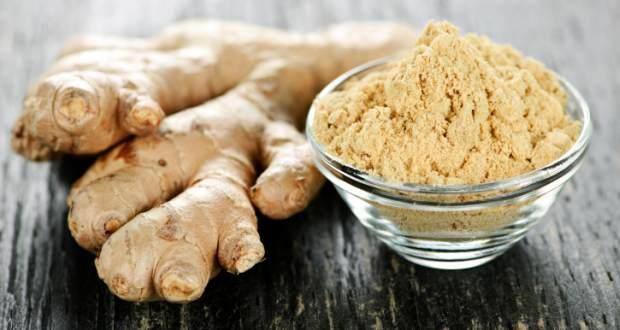
1 0 health benefits of ginger


Ginger, with its strong and spicy aroma, has its own place in Indian cuisine. It may be used fresh or dried, powdered or pickled or in the form of juice or oil.  Ginger tea, the classic Indian household favourite, is the most commonly used form, not to mention the ginger concoction given every time someone catches a c.

For thousands of years, ginger has been used for the treatment of innumerable ailments due to its powerful therapeutic and preventive effects. It has anti-inflammatory, analgesic, antioxidant, and anti-emetic properties. It helps to decrease inflammation, swelling and pain due to its ability to inhibit prostaglandin and leukotriene synthesis. It inhibits serotonin receptors and has the ability to break up and expel intestinal gas (carminative effect) which makes it a good antiemetic agent. Its antioxidant activity, the ability to induce cell death (apoptosis) and suppressing certain protein bestows it with anticancer properties. Compounds found in ginger are known to suppress allergic reactions. All these properties make ginger a powerhouse of health benefits. Here are few of them:


Respiratory problems


Ginger’s antihistamine property helps in treating allergies. It is also known to inhibit airway contraction and help stimulate the secretion of mucus. It is the herb of choice for persistent cough and sore throat associated with colds. A teaspoon of ginger juice with honey is effective against sore throat. And ginger tea is an all-time favourite to get rid of congestion in the throat and nose. Fresh ginger juice mixed with fenugreek and honey is excellent during asthma. Here’s how you can get instant relief from cough and cold.


Treating nausea and vomiting


Chewing on ginger could reduce nausea and vomiting. According to studies, ginger can treat sensations of nausea following surgery, and due to motion sickness, seasickness, etc. It is also beneficial for nausea as a result of adverse effect of chemotherapy.


Preventing morning sickness


Some pregnant women may find ginger beneficial in preventing their morning sickness. But it is advisable to consult your doctor before taking it. Read more about how you can deal with morning sickness.


Remedy for loss of appetite


Fuel a dull appetite by eating fresh ginger just before you have your meal. Ginger can get your digestive juices going and increase your appetite.


Aiding in digestion


Had a large meal? Eat ginger. Ginger improves absorption and assimilation of essential nutrients and aids in digestion. It also helps break down the proteins in your food. Ginger protects your stomach against ulcers by promoting mucus secretion. Also you can try these yoga poses to improve digestion.


Anti-flatulence


Calm in your upset stomach with ginger. Its carminative (gas expulsion) property provides relief from bloating and gas and helps reduce flatulence. Here are some tips to keep flatulence away.


Reduce menstrual pain


Ginger, when taken at the beginning of the menstrual period, can reduce symptoms of menstrual pain in some women. Here are some tried and tested tips to relieve menstrual pain.


Relieve headache


Applying diluted ginger paste on the forehead is believed to relieve migraine headache. The ability of ginger to inhibit prostaglandin synthesis helps relieve pain and inflammation in blood vessels thereby providing relief from migraine. Here’s how ginger can help you to get rid of headache.


Arthritis


The analgesic and anti-inflammatory property of ginger may help reduce joint pain of arthritis in some people. To help relieve muscle and joint ache, add some ginger oil into your bath.


Cancer


Ginger root contains a very high level of antioxidants. Ginger has the ability to induce cell death (apoptosis) and suppress certain protein. According to some studies, ginger may be a powerful weapon against cancers. Here are top 10 food habits to prevent cancer.

15 health benefits of garlic

Indian curries are incomplete without garlic – a simple ingredient with packed health benefits. It is very strong and bitter but adds an unbelievable flavour to the cuisine. Any description of garlic is incomplete without mentioning its medicinal values. This miracle herb has been used since time immemorial as a medicine to prevent or treat various diseases and conditions.
Garlic has a variety of potent sulphur-containing compounds which are the reason for its characteristic pungent odour. Allicin, the vital compound among them, is known to have great anti-bacterial, anti-viral, anti-fungal and anti-oxidant properties. The benefits of allicin can be best garnered when it’s finely chopped, minced or pureed and let sit for some time. Garlic is also a reliable source of selenium. Allicin, along with other compounds like ajoene, alliin, etc. found in them also have an effect on the circulatory, digestive and immunological systems of our body and help in lowering blood pressure, detoxification, healing, etc.
Here are 15 health benefits of garlic:

Antibacterial and Antiviral
Garlic is most well-known for its antibacterial and antiviral properties. They help control bacterial, viral, fungal, yeast and worm infections. Fresh garlic is thought to play a role in preventing food poisoning by killing bacteria like E. coli, Salmonella enteritidis, etc.


To treat skin infections
The chemical ajoene found in garlic may help treat fungal skin infections like ringworm and athlete’s foot.

Blood thinning
The anti-clotting properties of ajoene found in garlic help in preventing the formation of blood clots in the body. Hence, it may also increase the risk of bleeding after surgery.

Reduce blood pressure
Angiotensin II is a protein that helps our blood vessels contract thereby increasing the blood pressure. Allicin in garlic blocks the activity of angiotensin II and helps in reducing blood pressure. The polysulphides present in garlic are converted into a gas called hydrogen sulphide by the red blood cells. Hydrogen sulphide dilates our blood vessels and helps control blood pressure.

Protect heart
Garlic protects our heart against cardiovascular problems like heart attacks and atherosclerosis. This cardio-protective property can be attributed to various factors. With age, the arteries tend to lose their ability to stretch. Garlic may help reduce this and may also protect the heart from the damaging effects of free oxygen radicals. The sulphur-containing compounds of garlic also prevent our blood vessels from becoming blocked and slow the development of atherosclerosis (hardening of the arteries). The anti-clotting properties of ajoene help prevent clots from forming inside the blood vessels.

Reduce cholesterol
Garlic has the ability to moderately lower our blood triglycerides and total cholesterol and reduce arterial plaque formation.

Combat allergies
Garlic is known to have anti-inflammatory property. It can help the body fight against allergies. The anti-arthritic property of garlic is due to diallyl sulphide and thiacremonone.  Garlic has been show to improve allergic airway inflammation (allergic rhinitis). Raw garlic juice may be used to immediately stop the itching due to rashes and bug bites.
Read more about causes, symptoms, diagnosis and treatment of allergies.

Remedy for respiratory problems
Daily use of garlic might reduce the frequency and number of colds. Its antibacterial properties help in treating throat irritations. Garlic may also reduce the severity of upper respiratory tract infections. Its benefits in disorders of the lungs like asthma, difficulty of breathing, etc. make it a priceless medicine.  Its ability to promote expectoration makes it irreplaceable in chronic bronchitis.

Diabetes
Garlic increases insulin release and regulates blood sugar levels in diabetics.
Read more about causes, symptoms, diagnosis and treatment of diabetes.

Effective against warts and corns
Applying fat dissolving garlic extracts to corns on the feet and warts on the hands is thought to improve these conditions.

Cancer prevention
Daily intake of garlic has been found to lower risk of most types of cancer. This anti-cancer property is due to allyl sulphides found in garlic. PhIP, a type of heterocyclic amine (HCA), has been associated with increased incidence of breast cancer among women. According to studies, diallyl sulphide found in garlic inhibits the transformation of PhIP into carcinogens.
Read more about causes, symptoms, diagnosis and treatment of cancer.

Improve iron metabolism
Ferroportin is a protein which helps in iron absorption and release. Diallyl sulphides in garlic increase production of ferroportin and help improve iron metabolism.

Stir up passions
Garlic’s aphrodisiac property is due to its ability to increase the circulation.

Toothaches
Simply put some crushed garlic clove directly on the affected tooth can help relieve toothaches due to its antibacterial and analgesic properties. But be aware that it can be irritating to the gum.

Reduce weight
Many researchers believe that obesity is a state of long-term low-grade inflammation. According to recent research, garlic may help to regulate the formation of fat cells in our body. Pre-adipocytes are converted into fat cells (adipocytes) through inflammatory system activity. The anti-inflammatory property of 1, 2-DT (1, 2-vinyldithiin) found in garlic may help inhibit this conversion. This may help prevent weight gain.

15 health benefits of methi

The seeds and leaves of methi (fenugreek) are readily available and widely used in Indian kitchen. They have a strong aroma and a bitter taste. But when used in small quantities they impart flavour to your food. It is commonly used in curries, vegetable dishes, dals and not to forget the mouth-watering methi paratha. But did you know that methi is a rich reservoir of medicinal properties too? Methi contains protein, fibre, vitamin C, niacin, potassium, iron and alkaloids. It also contains a compound diosgenin which has oestrogen-like properties, as well as steroidal saponins. These compounds impart many benefits to methi – from being your beauty product to being an answer to your health problems!

Here are 15 health benefits of methi (fenugreek):


Increase breast milk production


Fenugreek ranks high among the ‘must haves’ for nursing mothers. This is due to the presence of diosgenin in the spice which increases milk production in lactating mothers.

Induce and ease child birth


Fenugreek has been known to be helpful in inducing childbirth by stimulating uterine contractions. It is also known to reduce labour pain. But here’s a word of caution. Excess intake of fenugreek seeds during pregnancy could put you in risk of miscarriage or premature childbirth.

Ease women’s health problems


Fenugreek contains compounds like diosgenin and isoflavones with oestrogen-like properties which help reduce symptoms like discomfort and menstrual cramps associated with PMS. These compounds also ease menopausal symptoms like hot flashes and mood fluctuations. Women are more prone to iron deficiency during adolescence (initiation of menstrual periods), during pregnancy and breastfeeding. Including green leafy veggies like fenugreek (methi) in your diet can supply a good amount of iron. But make sure to add tomatoes or potatoes to the preparations to enhance the iron absorption.

Breast Enlargement


Want to enlarge your breasts? Include fenugreek in your regular diet. The oestrogen-like property of fenugreek can help in breast enlargement by balancing hormones in women.

Reduce cholesterol


According to studies fenugreek helps to reduce cholesterol level, especially that of the low density lipoprotein (LDL).

Reduce cardiovascular risk


Fenugreek seed has cardiovascular benefits due to the presence of galactomannan. It lowers the risk of heart attack. It is also an excellent source of potassium which counters the action of sodium to help control heart rate and blood pressure.

Control diabetes


Fenugreek is beneficial for people with diabetes.  Galactomannan, a natural soluble fibre present in fenugreek slows down the rate of sugar absorption into blood. Fenugreek also contains amino acid responsible for inducing the production of insulin.

Aid digestion


Fenugreek helps flush out harmful toxins. It relieves indigestion and helps treat constipation.

Cure acid reflux or heartburn


One teaspoon of fenugreek seeds in your food can be an effective remedy for acid reflux or heartburn. Mucilage of fenugreek seeds coat the lining of the stomach and intestine and sooth irritated gastrointestinal tissues. Before consuming, you can soak the methi seeds in water to make their outer coat mucilaginous.

Remedy for fever and sore throat


Fenugreek when taken with a teaspoon of lemon and honey can work wonders to reduce fever by nourishing the body. The soothing effect of mucilage in fenugreek also helps to relieve cough and pain from sore throat.

Prevent colon cancer


The fibre content (saponins, mucilage, etc.) of fenugreek binds to toxins in the food and flush them out. This in turn helps to protect the mucus membrane of the colon from cancers.

Lose weight by suppressing appetite


Include fenugreek in your weight loss diet by chewing soaked methi seeds in the morning on an empty stomach. The natural soluble fibre in the fenugreek can swell and fill the stomach thereby suppressing your appetite.

Cure for skin inflammation and scars


Apply a clean cloth soaked in methi seed paste for effective treatment of skin problems like burns, boils, eczema, etc. Fenugreek seeds also help in getting rid of scars.

Beauty product


Fenugreek can be an excellent ingredient for your home-made beauty product. Fenugreek can be used in face packs to help prevent blackheads, pimples, wrinkles, etc. Washing your face with water boiled with fenugreek seeds or applying a paste of fresh fenugreek leaves for twenty minutes on your face can work wonders for your skin.

Solution to hair problems


Using fenugreek as a part of your diet or as a paste to directly apply on your hair makes your hair shiny and black. Massaging your head everyday with boiled fenugreek seeds soaked overnight in coconut oil can be an excellent remedy for thinning of hair and hair fall. What more? Fenugreek is also great to keep the dandruff away.

8 reasons why mushrooms are good for health

Mushrooms are one of the many foods that are equally known for their unique taste and therapeutic properties. This superfood has a myriad range of health benefits. Here are top 8 beneficial effects of the commonly consumed varieties of mushrooms.

Boost immunity


Riboflavin present in mushrooms helps in proper functioning and maintenance of the red blood cells. They enhance the production of anti-viral proteins and repair of body tissues. Mushrooms also help in maturation of immune cells and improve the action of defence mechanism against microbes [1]. Here are some other foods you can eat to improve your immunity.

Keep sugar levels in check


Mushrooms contain enzymes and compounds that act as natural insulin and help in breakdown of dietary compounds into simple sugars. They also contain compounds that promote proper functioning of the liver, pancreas and other endocrine glands, thereby regulating the action of insulin in the body [1]. Read more about the foods you can eat to keep diabetes at bay.


Good for sexual health


Mushrooms are packed with zinc that helps in boosting your sexual life by acting on the genital organs, especially in males. The regular consumption of zinc-rich mushrooms is found to improve the sperm count and fertility in men [1]. Here are some food items you can eat to boost your fertility.

Prevent cancer


Linoleic acid present in mushroom acts as an anti-carcinogenic compound that helps in prevention against breast cancer by suppressing the harmful effects caused due to excess estrogen levels in the body. These foods also contain beta-glucans which act as anti-tumor agents and help in inhibiting the growth of cancerous cells in case of prostate cancer [2]. Read more about food habits that’ll keep cancer at bay.


Control blood pressure


Potassium in mushrooms aids in maintaining the normal fluid and mineral balance in the body and thus helps in controlling the blood pressure levels. They also contain copper which enhances the oxygen carrying capacity of the red blood cells [2]. Read why you need to reduce your blood pressure.

Improve brain health


Niacin and copper found in mushrooms promote the function of nervous system and keep the nerves healthy. These foods contain panthothenic acid (vitamin B5) which is essential for production of various hormones that play a vital role in the proper functioning of brain [3]. Read about foods that boosts your memory

Help in weight loss


Mushrooms are very helpful in reducing weight as they are low in carbohydrate and fat content in addition to being loaded with fibre and proteins. B-Complex vitamins found in these foods aid in increasing the body’s metabolism and thus, burning the body fat to produce energy [4]. Read about weight loss diet plan that you can use.


Good for heart health


Mushrooms are low in fats and high in lean protein that helps makes it a perfect food for heart health. Selenium, a mineral present in these foods acts as a powerful antioxidant that protects the body cells from damage. They help in balancing the LDL and HDL cholesterol levels in the body thereby preventing the risk of various cardiovascular diseases [4]. Read about some foods that you can eat to beat cholesterol.

Top 10 Foods to Eat for Healthy, Glowing Skin

These nutrient-rich foods will give your skin a replenishing boost.

-Carolyn Gregoire, BettyConfidential.com
It may be a cliché, but the simple truth is that you are what you eat. Just as radiant, glowing skin is an indicator of good health and a nutrient-rich diet, a lackluster complexion reflects poor diet choices and overall health. Your skin is an indication of what's going on inside the body, and great skin starts from the inside.
If you eat high quantities of processed foods, sugar, caffeine, and fried foods, chances are, your skin is not going to be looking its most radiant. But, loading up on fruits and veggies, whole grains, and vitamin-rich foods makes for a healthy body and, in turn, healthier, more radiant skin.
Check out these skin-boosting super foods that contribute to overall good health, and contain properties which help your skin become its most healthy and radiant:

1. Almonds
One of nature's greatest gifts to the skin, almonds are packed with antioxidant vitamin E-which protects your skin from UV rays and helps build collagen-fiber, and omega-6 and omega-9 fatty acids, which help maintain the skin's elasticity and suppleness. Snack on raw almonds, add almond milk to your morning granola, or top off salads, cereals, and stir fries with sliced almonds. PS: they're also great for healthy, shiny hair!
2. Avocados
If you tend to steer clear of avocados because of their fat content, think again. The healthy monounsaturated fats found in avocados make them one of the best foods for your complexion. These healthy fats keep skin from drying out and help to maintain its youthful appearance. Avocadoes are also high in B vitamins (particularly vitamin B3) which contain anti-inflammatory properties.
3. Strawberries
High in fiber and low in sugar, strawberries are the perfect summer snack and a potent skin-booster. With their high concentration of Vitamin C-an antioxidant essential to healthy skin, which combats aging and the effects of sun exposure-they're a delicious way to get glowy. Vitamin C has an important role in collagen production, the key to keeping your skin elastic, fresh and young-looking. Strawberries contain even more Vitamin C per serving than oranges or grapefruit, and with fewer overall calories. They're also high in alpha-hydroxyl acid, which helps eliminate dead skin cells and helps the body build collagen.
4. Green Tea
Packed with antioxidants and free radical-fighting agents, you can drink your way to great skin with green tea. It's high in vitamins C, D, and K, as well as the essential minerals riboflavin, zinc, calcium, magnesium, and iron. Try swapping your morning coffee, which dehydrates the skin, for green tea - your complexion will thank you.
5. Salmon
With its high concentration of omega-3 fatty acids, oily fishes such as salmon and tuna aid in decreasing the occurrence of clogged pores. Plus, salmon is loaded with selenium, a trace mineral that helps smooth the skin and acts as a powerful antioxidant when joined with its fellow skin-booster, vitamin E.
6. Hemp Seeds
It's a little-known nutritional secret that hemp seeds are one of the best things you can eat for skin and overall good health. These little seeds are loaded with protein, iron, vitamin E, and omega-3 and omega-6 fatty acids, which help keep the skin looking supple. Hemp seeds are also great for vegans and vegetarians, as they boast one of the highest protein contents of any plant-based food, with 25-20% protein. Like almonds, you can enjoy them raw, toss them into salads or enjoy hemp milk with whole-grain cereal for a healthy breakfast.
7. Whole Grains
An essential part of a healthy diet, whole grains are as much a friend to the skin as any other part of the body. Their high fiber content helps your body stay hydrated and flushes out toxins, while their high concentration of B vitamins aids metabolism. Be sure to incorporate whole grains into every meal for improved digestive health and skin that reflects it.
8. Sweet potatoes
High in antioxidant beta-carotene, vitamin E, vitamin C and fiber, sweet potatoes are delicious, fun to cook with, and great for your complexion. Vitamins C and E are a powerful combo-Vitamin E helps maximize the effectiveness of vitamin C because it aids the body in the regeneration of vitamin C.
9. Low-fat Yogurt and Cottage Cheese
Low in fat and high in vitamin A (a major player in skin health) and selenium, cottage cheese is a nutritious and low-calorie food that also has significant skin-boosting properties. In yogurt, the live enzymes and healthy bacteria contributes to good intestinal health and a healthy digestive tract, both of which are important to healthy skin.
10. Water
Okay, so it's not technically a food, but water is hands-down the number one skin-booster. It's a simple equation: hydrated skin is healthy skin, and healthy skin is beautiful skin. Dry, dehydrated skin looks older, has more lines, and is more prone to breakouts.
For your beautiful skin, make sure to stay hydrated and eat a balanced diet that incorporates these skin-boosting super foods. Your health will shine through your radiant skin, and have everyone wondering how your face has such a gorgeous, healthy glow.

7 health benefits of custard apples

Custard apple, known as sharifa or sitaphal is high in calories and natural sugars, which makes it a healthy fruit. It is one of those very few seasonal fruits that is well-known for it’s delicious taste and nutritional profile. Most commonly consumed as smoothies, shakes or natural ice-creams, custard apples also exert numerous health benefits. Here are the top seven reasons why you should consume sitaphal this season -

Good for the eyes


If you are looking for a natural way to enhance your vision, then custard apples are the best bet. These fruits are stored with various essential vitamins namely vitamin C and vitamin A that help improve your eyesight and make your eyes sharper and brighter. Riboflavin, vitamin B2 combats free-radical destruction thereby sustaining normal vision.

Improves digestion


These fruits are rich in copper and dietary fiber, both of which are essential to keeping your digestive tract healthy. It is also found to aid in digestion by making stools softer and helping in peristalsis (movement of food). The presence of magnesium might help in curing indigestion problems and prevent constipation. Read about try mint to calm your indigestion.

Helps in healing process


With high levels of vitamin A, the pulpy flesh of custard apple acts as an effective natural remedy to treat ulcers and boils. It not only plays a key role in moisturizing the skin but also helps relieve redness and inflammation of the skin. The outer skin of the fruit is effective in preventing gum pain and tooth decay.


Maintains healthy heart


Custard apples are good sources of magnesium and potassium that help in protecting the heart from cardiac diseases, muscle relaxation and controlling blood pressure levels. High levels of niacin and dietary fiber in this fruit help in lowering blood cholesterol levels. Also, vitamin B6 is found to minimize the risk of heart disease along with maintaining a healthy heart. Read about 8 natural cholesterol busters.

Helps in fighting fatigue


This fruit acts as an instant source of energy along with helping fight exhaustion and weakness. Custard apples contain potassium, which helps in eliminating muscle weakness and prevents fatigue by improving blood supply. Read more about how to beat stress, fatigue and depression with laughter yoga.

Treats arthritis and rheumatism


The presence of a high amount of magnesium in custard apples helps in maintaining the normal water and electrolyte balance in the body. This enhances the removal of fluids and acids in the joints and the resulting inflammation thereby lowering the risk of arthritis and rheumatism. Read about eat bananas to beat arthritis naturally

Good for pregnant women


Custard apples are regarded as wonder-fruits for pregnant women as they help them to cope with mood swings, morning sickness and numbness. Regular consumption of this fruit during pregnancy is good for the production of breast milk, along with reducing the risk of miscarriage and labor pain. It is also found to help in proper development of the brain, nervous system and immune system of the fetus.

Top 10 foods to prevent dental cavities in children (and how to make them eat those!)

Children are more prone to cavities these days and apart from lack of oral hygiene, another reason is the kind of food they eat. Due to the consumption of junk food and foods rich in sugar, they have more number of cavities at a young age which leads to weakened teeth and impacts their overall oral health. If you wish to make your child’s teeth stronger and less prone to cavities, here are a few food items which can help. Read on…
According to a leading periodontist Dr Minalli Vasandani Goswami from Sunrise Hospital, ‘Make your children eat three kinds of foods – foods which are our teeth’s building blocks such as milk products, foods which act as cleansing agents such as fruits and foods which protect them by altering the pH level.’
‘The best way to avoid cavities in children is to include a lot of natural and whole foods in their diet like fruits, veggies like carrots, beet, cucumbers, whole grains like brown rice, oats and sprouts, pulses, etc.,’ says nutritionist Neha Chandna.
Here are some foods which can help prevent cavities
Cheese: Cheese is known to increase the pH level of the mouth which reduces bacterial growth in it. It is an alkaline food ingredient which forms an alkaline film around the teeth and prevents it from decaying. Studies have shown that cheese prevents tooth demineralisation and cavity formation.
Tip: Have one small piece of cheese after meals (especially dinner). It is better to eat a slice of cheese raw than with bread as bread is high in carbs and can start the tooth decay process.
Raisins: The polyphenols and flavonoids in raisins help fight bacteria and reduce the prevalence of decay. Raisins are also known to keep the gums strong.
Tip: Though raisins are good for teeth, they can also be sticky so make sure that your child brushes after eating them.
Fish and poultry: Complete with proteins, and essential minerals and vitamins, fish and poultry not only prevent the drop in pH but also promote mineralisation and healthy tooth health.
Tip: Fish and poultry can be incorporated in form of sausages, sandwiches, rolls, etc. 
Fibre-rich foods: Foods which have a lot of fibre or roughage are good for your teeth. Apples with their great fibre content help with the flow of saliva in the mouth that reduces food lodging in the teeth. Carrots are rich in vitamin A which helps in better antibody response of the saliva. The carotenoids in it help in protecting the teeth from cavity.
Tip: Eat them raw or add a bit of chaat masala to enhance its taste. Cut them in cute shapes to make them look attractive to kids.
Eggs: Eggs also prevent a drop in pH. They are a great source of protein, calcium, vitamin A, vitamin D, etc which are essential for tooth mineralisation and hence is one of the ideal foods to prevent caries.  
Tip: Eggs can be incorporated in various forms such as half boil, omelette, scramble, egg sandwich, egg roll, etc. 
Cashew nuts: They are compact, energy giving foods. They are also rich in magnesium and phosphorous which are beneficial for teeth. Cashews contain anacardic acid which kills bacteria and prevents tooth decay.
Tip: A handful of raw cashew nuts every day can protect your kid’s teeth. You can mix them with raisins too.
Cinnamon: It has anti-microbial properties which kills bacteria. As it has a very strong flavour, cinnamon powder can be sprinkled on the toothpaste or few drops of cinnamon oil can be diluted in 3⁄4 th glass of water and can be used for gargling.
Tip: You can add cinnamon sticks to pulav and ask your kids to chew on it after their meals.
Milk: Milk is a good option for preventing decay in children. Not only does it prevent the pH of the mouth to decrease, milk is also a rich source of calcium which is essential for tooth mineralisation. As per National Institute of Nutrition, India, each child should consume about 300 ml of milk every day. A word of caution for parents – they must be careful to not add simple carbohydrates such as sugar or energy powders to milk as these simple carbohydrates tend to increase dental decay.
Tip: You can give milk with oats, cereals, or add fruits or honey in it to sweeten it naturally.
Cocoa powder: May sound shocking but cocoa prevents the growth of micro-organisms and reduces inflammation. It also reduces the growth of bacteria and enzymes that lead to tooth decay or cavity formation.
Tip: The best way to have cocoa powder is to add it in milk which is an amazing source of calcium.
Sugar-free chewing gum: Chewing gum increases the saliva production which protects our teeth by washing away the stuck food particles. They contain xylitol that is known to fight bacteria and it also prevents food lodging in the teeth.
Tip: Chewing a gum after a meal can be good your kid’s oral hygiene. Make sure you buy a sugar-free one.
Some tips to keep in mind:
‘Make sure you kid bites into his food rather than just swallowing it. Biting helps improve gum health, clears plaque off the teeth and aids in cleansing of the mouth. This reduces chances of bacterial attack on the teeth,’ says Neha.
According to dietician Akansha Jhalani, ‘It is important that kids gargle before and after every meal. Avoid giving them fizzy drinks but if you do, ask them to use a straw as it will protect their teeth’s enamel from acidic damage.’
‘Foods that contain fermentable carbohydrates which on contact with micro-organisms drop the salivary pH to 5.5 or less stimulate formation of dental caries. So avoid junk food and include protein-rich foods in your kid’s diet,’ advices Dr Neha Sanwalka.
Says Dr Minalli, ‘You can give your kids ice creams but plain flavours in a cup are better than cone ones with choco-chips, etc as they can stick in their teeth and cause harm.’ She also advises giving them berries as they help whiten teeth naturally.’ Whatever your kids eat, make sure they brush their teeth after every meal to prevent cavities,’ she concludes.